
The textile industry is changing quickly, and technology is helping businesses create better products with greater flexibility. Digital textile printing in Saudi Arabia is becoming an important solution for fashion brands, designers, retailers, and textile businesses. Unlike traditional printing, digital methods can support detailed designs, shorter production runs, and faster design changes. As Saudi Arabia continues investing in digital industries and modern manufacturing, textile printing is also moving toward smarter and more efficient production.
What Is Digital Textile Printing in Saudi Arabia?
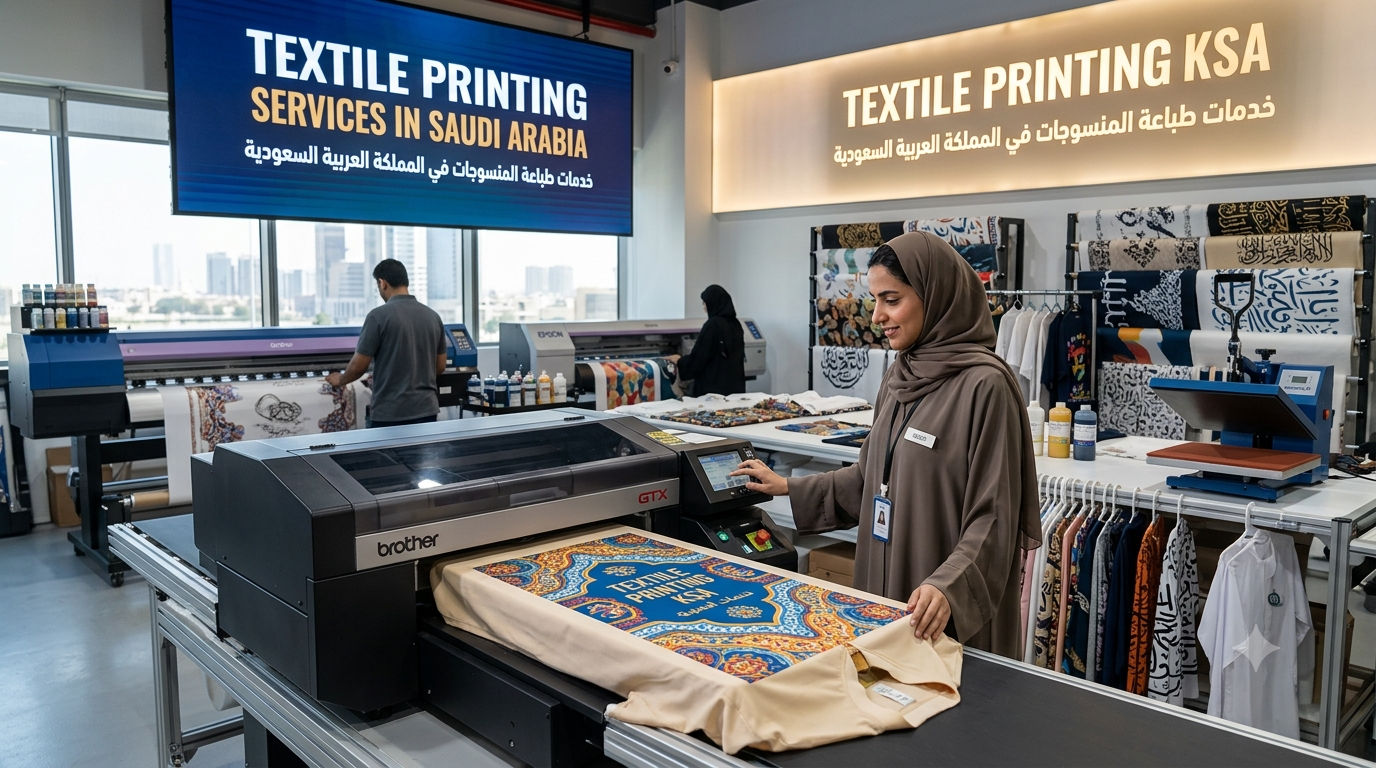
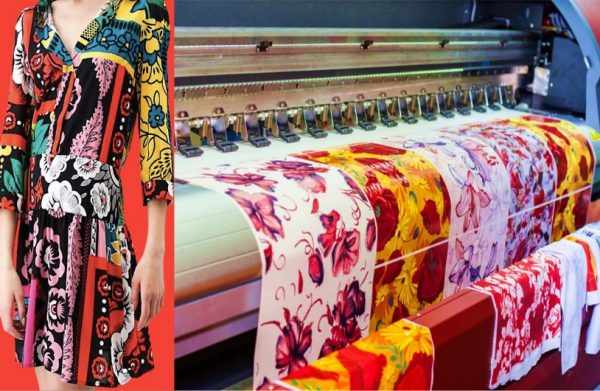
Digital textile printing in Saudi Arabia is a modern printing process that places digital artwork directly onto fabric using specialized textile printers. Instead of creating separate screens for every design, businesses can send artwork from a computer to the printer.
This makes the process more flexible. Designers can create detailed patterns, photographs, gradients, logos, and custom artwork without the limitations of some traditional methods.
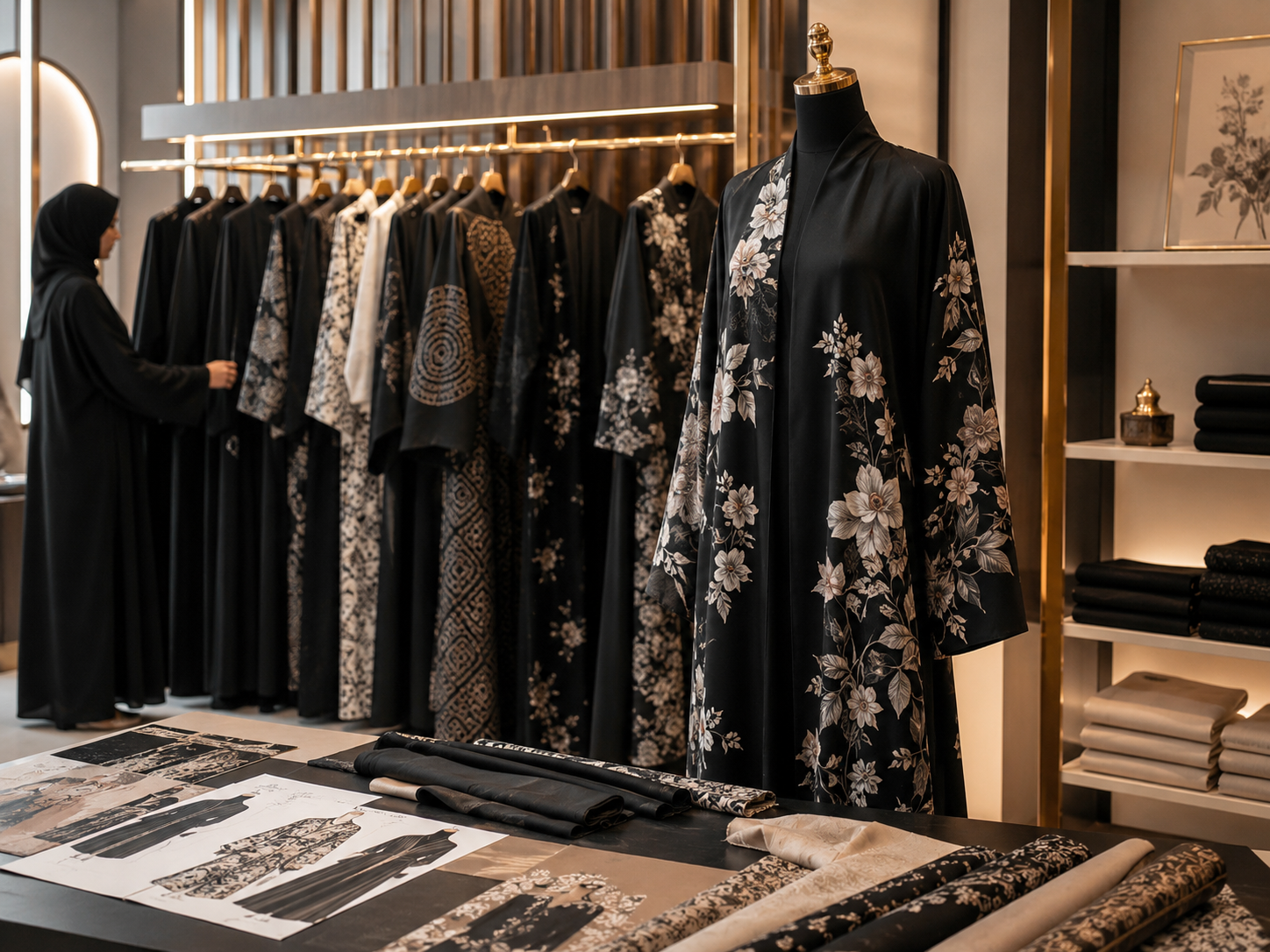
For example, a fashion brand could create a small collection of printed abayas, scarves, dresses, or uniforms without ordering thousands of meters of fabric. This flexibility is especially useful for businesses testing new designs.
Additionally, digital printing can help reduce the time between design approval and production. Businesses can make changes to artwork more easily before printing a final batch.
Saudi Arabia’s wider industrial strategy is also encouraging digital transformation. Recent National Industrial Development and Logistics Program reporting highlights factory digital maturity and the adoption of Fourth Industrial Revolution technologies.
Top Trends to Watch in Digital Textile Printing
1. More Personalized Textile Designs
Customers increasingly want products that feel unique. Personalization allows brands to offer customized colors, patterns, names, logos, and artwork. For textile businesses, this creates opportunities to produce limited-edition collections instead of relying only on mass-market designs.
2. Growth of Small-Batch Production
One major advantage of digital textile printing in Saudi Arabia is its suitability for smaller production quantities. Traditional printing methods can become less practical when a business needs only a limited amount of fabric. Digital printing allows designers to test a new pattern before committing to a large order. This can help reduce unnecessary inventory and make product testing easier.
3. Faster Design-to-Production Cycles
Speed is becoming increasingly important in fashion and retail. Trends can change quickly, so businesses need production methods that respond to customer demand. Digital printing allows approved artwork to move into production without preparing traditional printing screens for every new design. As a result, brands can respond more quickly to seasonal collections, events, campaigns, and changing customer preferences.
4. Detailed and High-Quality Artwork
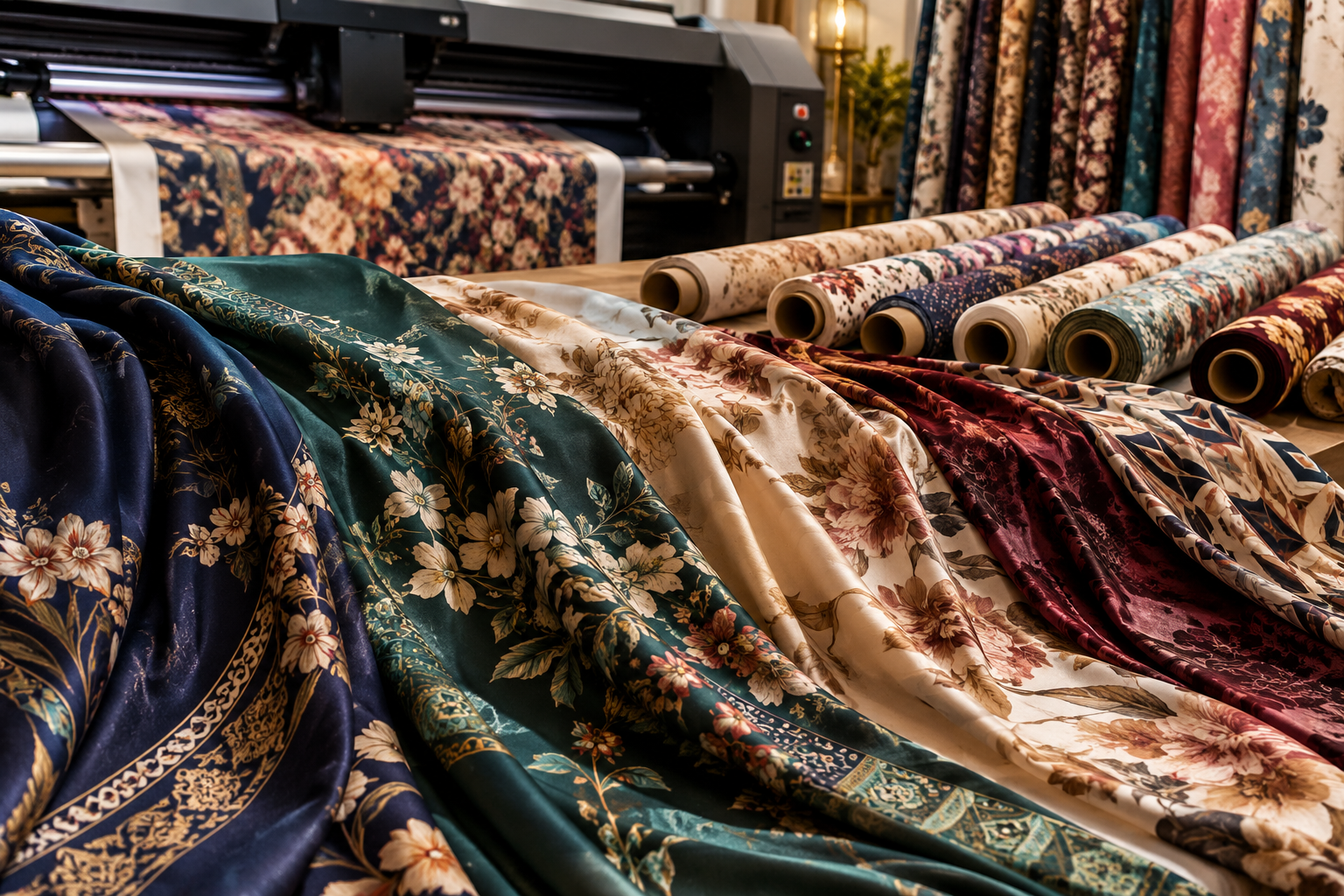
Modern digital textile printers can reproduce complex artwork with fine details and smooth color transitions. This is valuable for fashion designers who want floral patterns, geometric artwork, cultural motifs, photographs, or branded graphics. However, print quality still depends on several factors, including fabric type, ink selection, artwork resolution, printer technology, and finishing.
5. More Efficient Production
Another important trend is the growing interest in efficient manufacturing. Digital processes can help businesses produce only what they need rather than maintaining large amounts of printed inventory. Saudi Arabia’s industrial transformation programs are already supporting greater digital maturity across manufacturing. For textile companies, this wider shift creates an environment where digital production technologies can become increasingly relevant.
How to Choose the Right Digital Textile Printing Process
Before starting a project, businesses should follow a few simple steps.
Step 1: Choose the fabric. Select the material according to the final product. Cotton, polyester, silk, and blended fabrics can require different printing approaches.
Step 2: Prepare the artwork. Use high-resolution artwork and check colors, dimensions, and repeat patterns before production.
Step 3: Request a sample. Always test the design on the actual fabric when possible. A digital screen preview cannot perfectly represent the final printed material.
Step 4: Check color and durability. Ask about color performance, washing requirements, rubbing resistance, and finishing options.
Step 5: Start with the right quantity. For new designs, a small production run can help businesses evaluate customer response before increasing the order.
Common Mistakes to Avoid
Even advanced technology cannot fix poor preparation. One common mistake is using low-resolution artwork. Blurry source files can produce disappointing results. Another mistake is ignoring the fabric. A design may look different depending on the material, surface texture, and printing method.
Businesses should also avoid choosing a supplier based only on price. Instead, compare print quality, fabric knowledge, turnaround time, sample options, and production consistency. Finally, do not skip testing. A sample can reveal problems with colors, sizing, placement, or fabric behavior before a large order is produced.
Where to Find More Information and Industry Resources
Businesses researching digital textile printing in Saudi Arabia should follow reliable sources covering industrial development, technology, manufacturing, and Saudi economic initiatives. The official Saudi Vision 2030 platform is a useful starting point for understanding the Kingdom’s broader digital and industrial transformation. Its current framework highlights a thriving economy, innovation, efficiency, and technology-driven development.
Companies can also monitor developments in smart manufacturing, digital production, sustainable processes, customized fashion, and local manufacturing. For textile businesses, the most useful trends are those that improve product quality while reducing unnecessary production time and inventory.
Why These Trends Matter for Saudi Businesses
The future of digital textile printing in Saudi Arabia is not only about producing attractive designs. It is also about giving businesses more control over production. A fashion startup can test a collection without committing to a huge quantity. An established brand can create seasonal patterns. A corporate customer can order customized uniforms. Designers can experiment with new artwork without rebuilding an entire traditional printing setup.
This flexibility can make textile businesses more responsive to market demand. Moreover, Saudi Arabia’s continued push toward industrial digitalization creates opportunities for businesses that adopt modern production methods thoughtfully. The National Industrial Development and Logistics Program has reported progress in factory digital maturity, including facilities reaching high maturity levels under the SIRI framework.
Conclusion
Digital textile printing in Saudi Arabia is creating new possibilities for designers, fashion brands, manufacturers, and businesses. Personalization, small-batch production, detailed artwork, faster turnaround, and efficient manufacturing are among the key trends to watch. For businesses planning their next textile collection, choosing the right printing partner is essential. Focus on fabric expertise, print quality, testing, technology, and reliable production. Explore modern digital textile printing solutions and turn your creative designs into high-quality printed fabrics.
FAQs
1. What is digital textile printing?
Digital textile printing is a process that prints digital artwork directly onto fabric using specialized textile printing equipment.
2. Is digital textile printing suitable for small orders?
Yes. Digital printing is often suitable for samples, customized products, limited collections, and smaller production runs.
3. What fabrics can be digitally printed?
Depending on the printing technology and inks used, digital textile printing can work with materials such as cotton, polyester, silk, and various blended fabrics.
4. Is digital textile printing better than traditional printing?
Neither method is automatically better for every project. Digital printing offers flexibility and customization, while traditional methods can be efficient for certain large-volume orders.
5. Why is digital textile printing growing in Saudi Arabia?
The growth is supported by changing fashion and customization needs, faster production requirements, and Saudi Arabia’s broader movement toward digital transformation and modern manufacturing.


Write a comment ...